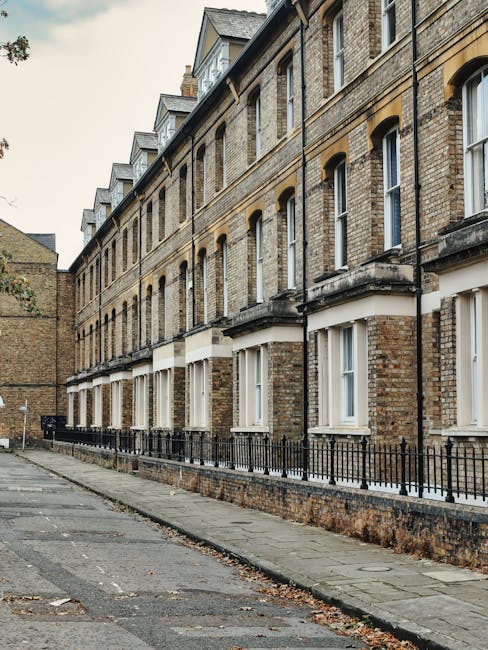
Basement flat cleaning access issues Brecknock Road Kentish Town
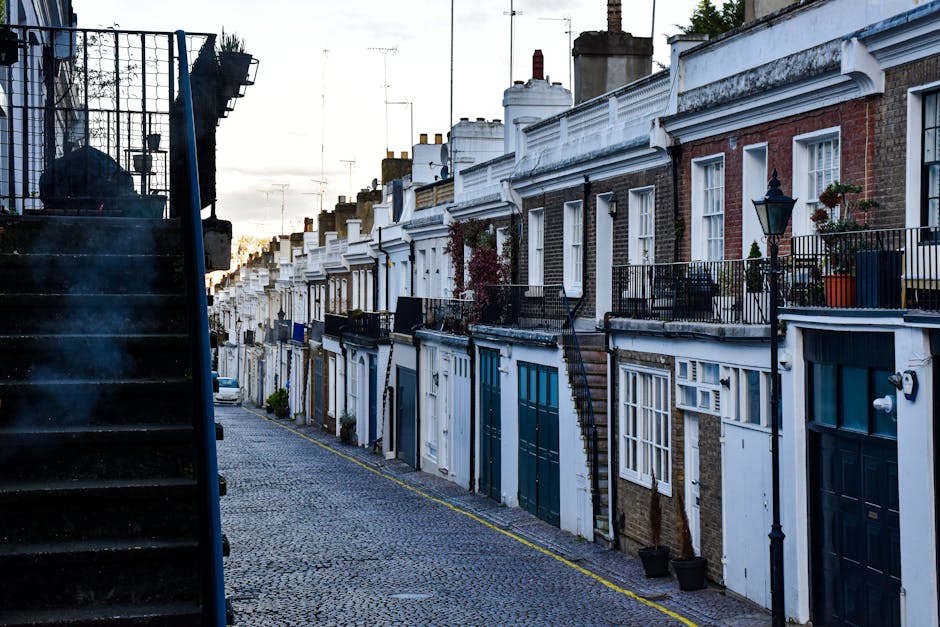
Basement flat cleaning access issues on Brecknock Road in Kentish Town can turn a routine clean into a bit of a logistical puzzle. Narrow steps, awkward entry points, shared hallways, low light, damp corners, parking limits, and the simple fact that a basement home often sits below street level all change how the work needs to be done. If you have ever stood at the bottom of a stairwell with a vacuum in one hand and a stubborn sense of "well, this is going to be interesting" in the other, you will know exactly what that feels like.
This guide breaks down what these access issues actually mean, why they matter, and how to plan a smooth, safe clean without stress. It also explains what good preparation looks like, where people usually get caught out, and how to choose the right type of cleaning support for a basement property in Kentish Town.
Why basement flat cleaning access issues matter
A basement flat is not just a smaller version of a normal home. The access route can shape the entire cleaning plan. In a place like Brecknock Road, you may be dealing with a front door set below pavement level, a steep internal staircase, a side gate, shared entryways, or a hallway that needs to stay spotless because other residents use it too. That changes the way equipment gets moved in, how long the work takes, and which tasks are realistic in one visit.
It matters because access problems affect three things at once: safety, efficiency, and results. If a cleaner arrives without knowing about a tight stairwell or a locked communal door, time gets wasted before the actual cleaning even begins. If they bring the wrong kit, they may have to leave equipment behind or improvise, and that rarely ends well. And if the route is awkward, the risk of knocks, drips, slips, or damaged skirting boards rises quickly. Nobody wants that. Not the cleaner, not the tenant, not the landlord.
There is also a local reality to think about. Kentish Town basement flats often sit in older buildings where access was not designed for modern cleaning equipment. So the issue is not always about a "difficult customer" or a "fussy cleaner"; more often, it is just the building doing what old London buildings do. A bit quirky. A bit tight. Still perfectly manageable, but only if the plan is honest from the start.
Expert summary: the better the access information, the smoother the clean. Clear entry instructions, realistic timing, and a proper understanding of stairs, parking, and communal areas can save everyone a lot of hassle.
How basement flat cleaning access issues affect the cleaning process
Access issues influence the job long before the first cloth touches a surface. A cleaner normally needs to know how they will enter, where they can park, whether they need to carry equipment down stairs, and whether any areas are shared with neighbours. On Brecknock Road, that can mean one property is simple to reach while the next has a heavy gate, a narrow passage, and a doorbell that does not quite work. Small details, big difference.
In practice, the work usually breaks down into a few stages:
- Pre-visit planning. The cleaner or booking team checks the access notes, timing, and any special instructions.
- Arrival and entry. Keys, codes, lockboxes, or meet-and-greet arrangements are used to get inside without delay.
- Equipment movement. Vacuum cleaners, mops, buckets, and products are carried through stairs or shared spaces carefully.
- Room-by-room cleaning. Basements often need attention to dust, moisture, hidden corners, and lower-light areas where dirt is easier to miss.
- Exit and final check. The route out matters too, especially if waste must be removed or if communal areas need to be left as found.
That sounds straightforward, but the detail is where the work succeeds or slips. For example, a basement flat might be easy to tidy if it is empty, yet much harder if large furniture blocks the stair access. Or a deep-clean may be possible in one morning, but only if the entrance route is clear and parking is close enough. A one-off clean and a recurring regular cleaning visit will also feel very different when the access route is awkward, because repeat visits benefit from routines and known risks.
One thing people often forget: access is not only physical. It is also about timing. A cleaner arriving when a neighbour is moving furniture through the hall, or when a delivery is blocking the pavement, may lose ten to fifteen minutes without anyone really noticing. That is why clear communication is so useful. It sounds basic, but basic is good here.
Key benefits and practical advantages
Getting basement access right does more than make the appointment easier. It improves the quality and reliability of the whole service. And truth be told, that is what most people want: less faff, better results, no nasty surprises.
- Less disruption. Clear access means less time spent waiting at doors, in hallways, or on the phone trying to locate keys.
- Better cleaning outcomes. When the right tools can be brought in safely, dusty corners, under-stair areas, and low-ventilation rooms can be cleaned more thoroughly.
- Reduced risk of damage. Tight staircases and shared entrances are easier to navigate when everyone knows the route and the plan.
- More accurate pricing. Good access information helps cleaners quote properly for the real amount of labour involved.
- Smoother tenancy handovers. Basement flats used for renting, moving, or short lets often need punctual, efficient cleaning to meet move dates.
There is another advantage that is easy to overlook. A clear access plan makes it simpler to choose the right service in the first place. For instance, a light refresh may be enough for a lived-in property, while a basement that has been empty for a while might benefit from deep cleaning or even end of tenancy cleaning if the aim is to hand it back in good shape. If carpets, upholstery, or soft furnishings have absorbed a basement smell, then specialist work such as carpet cleaning, sofa cleaning, or upholstery cleaning can make a noticeable difference.
Who this is for and when it makes sense
This topic matters to anyone responsible for a basement flat near Brecknock Road, but a few groups feel it most sharply.
- Tenants who need a move-out clean, a one-off refresh, or a regular service without upsetting neighbours or damaging shared areas.
- Landlords and agents who need reliable access for changeovers, inspections, and quicker turnaround between tenancies.
- Homeowners who live in basement accommodation and want a realistic plan for cleaning a property that can feel damp, dusty, or awkward to ventilate.
- Short-let hosts who rely on prompt cleaning between guests and cannot afford delays around key handover or entry instructions.
- Businesses or home workers using basement space who need a practical cleaning routine and want the area to stay presentable.
It also makes sense whenever the job has a time pressure attached to it. Moving day, inventory inspection, guest turnover, post-decoration dust, or simply a period of neglect can all turn access from "mildly annoying" into the main thing standing in the way of a decent result. If that sounds familiar, you are not alone. Basement flats have their own rhythm.
Sometimes the need is obvious. Sometimes it sneaks up on people. A flat looks fine from the street, but then you get downstairs and notice that the light is poor, the corners are grimy, and the route in is so narrow that a full-size vacuum has to be carried sideways like a reluctant shopping trolley. Happens more than people admit.
Step-by-step guidance
If you want basement flat cleaning to go smoothly, the best approach is to treat access as part of the job, not an afterthought. Here is a practical way to do it.
- Map the access route. Write down exactly how someone gets from the street to the flat. Include gates, codes, shared hallways, stair count, and any awkward turns.
- Check for shared spaces. If the cleaner has to pass through a communal entrance or stairwell, note whether other residents might be affected. Keep the route tidy and avoid leaving items in the way.
- Identify the load-bearing items. Big vacuum machines, steam cleaners, carpet tools, or heavy buckets may not be worth bringing if the stairs are steep and tight. Simpler kit may be smarter.
- State any restrictions early. Low ceiling height, narrow doors, fragile flooring, weak lighting, or damp patches should be mentioned before the visit. This is not fussiness. It is useful information.
- Decide on a realistic cleaning scope. If access is slow, choose the areas that matter most first. Kitchens, bathrooms, entry areas, and touchpoints often give the fastest visible improvement.
- Prepare the flat beforehand. Move small loose items where you can, unlock gates, and clear the landing or hall. A few minutes of prep can save much more on the day.
- Allow for a final check. Basement properties can hide dust behind furniture and along skirting, so give the clean a proper look before calling it done.
If the property needs a broader reset, a one-off cleaning visit can be a sensible middle ground. And for homes that need more than a quick spruce, house cleaning or domestic cleaning may be a better fit than trying to squeeze everything into a rushed appointment.
One useful habit: take two minutes to stand at the entrance and look at the route as if you had never been there before. Where would a vacuum catch? Where would water splash? Where would someone need a free hand? That little pause helps more than people think.
Expert tips for better results
In our experience, the clean itself is only half the story. The other half is making the property easy to work in. A few small decisions go a long way.
- Use smaller, lighter equipment where possible. A compact vacuum and manageable mop setup can be far better than overpacking tools you cannot comfortably carry downstairs.
- Work top to bottom. In low basement spaces, dust falls and collects quickly. Start high and finish low so you are not cleaning the same area twice.
- Prioritise moisture-prone spots. Around vents, windows, sinks, and bathroom edges, moisture can leave marks or odours that need more than a surface wipe.
- Open ventilation early. Even a small amount of airflow helps reduce the heavy, closed-in feeling that basement rooms can have.
- Protect stairs and floors. If the route is delicate, carry items carefully and keep cleaning products sealed. It sounds obvious, but the "oh dear" moment usually happens in a corridor, not in the room itself.
- Keep communication plain and direct. A message like "front access is by side gate, then 12 stairs down, code provided by text" is much more useful than a vague "easy access, I think."
Another small tip: if you are arranging a clean after builders or renovation work, basement access can become especially messy. Fine dust settles everywhere and crawls into corners like it pays rent. In that situation, after builders cleaning is usually more suitable than a standard visit because it is built for dust-heavy conditions and awkward residue.
And if the flat is used for guest stays, airbnb cleaning can be a better fit than a general reset, simply because timing, presentation, and bedding turnover matter more than usual.
Common mistakes to avoid
Most access problems are not dramatic disasters. They are little avoidable errors that add up. The good news? They are easy to fix once you know what they look like.
- Not mentioning stairs in advance. A cleaner bringing heavy equipment to a basement with a tight staircase may need to adjust everything on the fly.
- Forgetting to mention communal access. If entry is through a shared hallway, the cleaner needs to know so they can move carefully and respect neighbours.
- Leaving parking or loading issues vague. In London, "parking nearby" can mean a lot of things. Be specific if there is limited stopping time or no easy loading point.
- Assuming all basement flats are the same. One might have a side entrance and plenty of light; another may have a narrow stairwell and no ventilation. Big difference.
- Trying to cram too much into one appointment. If access is poor, it may be better to split work into priorities rather than rush.
- Ignoring damp or mould-like smells. Cleaning can improve appearance, but underlying damp may need a separate conversation about maintenance and airflow.
There is also a subtle mistake people make with expectations. They assume a quick tidy will solve what is really an access and environment problem. But if the basement is dark, humid, and hard to reach, the result may need a more deliberate approach. Nothing mystical about it. Just a more grounded plan.
Tools, resources and recommendations
You do not need a warehouse of specialist gear to handle a basement flat well. What matters is choosing tools that match the route and the surfaces. A practical setup often includes the following:
- a compact vacuum cleaner that is light enough to carry safely
- microfibre cloths for dust and low-light surfaces
- a mop and bucket that do not make stair travel awkward
- non-slip shoes for staff moving through basement steps or polished floors
- sealed product bottles to reduce spills on stairs and in communal areas
- a torch or bright phone light for darker corners, especially near storage or under stairs
For services, the best fit depends on the actual condition of the flat. If floors are the main issue, carpet cleaning may be worth considering. If the focus is on mattresses, soft furnishings, or guest rooms, the relevant service could be mattress cleaning or sofa cleaning. If windows sit below pavement level and collect grime or condensation marks, window cleaning can lift the whole feel of the space more than people expect.
For wider service planning, it can help to compare options before booking. Some flats need a single deep reset, others need a recurring routine, and some need help with specific problem areas only. No shame in choosing the narrow option if that is the sensible one.
Law, compliance, standards, and best practice
For a private basement flat, the main compliance concerns are usually practical rather than legal drama. The basics are about safe working, sensible access arrangements, and respecting any building rules that apply to shared areas. In the UK, cleaners and residents alike should follow normal health and safety good practice, which means keeping walkways clear, avoiding trip hazards, handling cleaning chemicals properly, and taking care on stairs and around moisture.
If a property has communal spaces, those spaces should be used respectfully and left tidy. If keys, codes, or lockboxes are involved, access arrangements should be handled carefully and securely. That is especially important if the property is used for rentals, managed lets, or regular visitor turnover.
It is also wise to think about insurance and accountability. A basement route can be harder to move through safely, so it makes sense to choose a service that treats access notes seriously and has its own safety processes in place. If you want to understand that side of things better, the site's health and safety policy and insurance and safety information are worth reviewing before you book.
Best practice, in plain English, means this: tell the cleaner what they need to know, clear the route if you can, and do not pretend a tricky staircase is no big deal when it clearly is. The cleaner will thank you. So will the floorboards.
Options, methods, or comparison table
Different access setups call for different cleaning approaches. Here is a simple comparison to help you think it through.
| Approach | Best for | Pros | Watch-outs |
|---|---|---|---|
| Standard domestic clean | Lightly used basement flats with straightforward entry | Quick, efficient, ideal for routine upkeep | May not be enough for heavy dust or damp residue |
| Deep clean | Flats with build-up, neglected corners, or low ventilation | More thorough, tackles hidden grime | Takes longer and needs better planning |
| End of tenancy clean | Move-outs, inventory preparation, handovers | Focused on presentation and expectations for a checkout | Access delays can affect timing on the day |
| One-off clean | Occasional resets where routine service is not needed | Flexible and practical for problem areas | Less effective if the flat needs regular upkeep |
If you are unsure which route to take, start with the condition of the property and the access route. Those two factors usually tell you more than the floor plan does. A neat-looking basement with difficult stairs can still need a more careful service than a messier flat with easy entry.
Case study or real-world example
Here is a realistic example based on the sort of situation that comes up often. A tenant in a basement flat off Brecknock Road needed a pre-checkout clean before returning the keys. The property itself was not huge, but the access was a nuisance: a narrow front step down, a tight stair turn, and a shared hallway that had to stay clear. The tenant had left it a bit late, which is, let's be fair, very human.
The smartest part of the plan was not the cleaning products. It was the preparation. Entry instructions were confirmed early, smaller equipment was chosen, and the work was split into visible priorities: kitchen surfaces, bathroom fixtures, floors, skirting, and window ledges. The cleaner did not waste time wrestling with oversized kit that would have been awkward on the stairs.
The result was straightforward but effective. The flat looked brighter, the basement smell was reduced, and the exit route stayed tidy. No scratched walls, no panicked searching for keys, no half-done corners left because the cleaner ran out of time carrying gear around. That is really the point: good access planning makes good cleaning possible.
Sometimes the best job looks almost boring from the outside. That is usually a sign it went well.
Practical checklist
Use this checklist before any basement flat cleaning visit on Brecknock Road or nearby.
- Confirm the exact entry point and how to find it from the street.
- Share any gate codes, keys, lockbox details, or meet-and-greet arrangements.
- Measure or describe the stairway if it is especially narrow or steep.
- Note whether the route passes through a communal hallway or shared entrance.
- Tell the cleaner about low light, low ceilings, damp patches, or fragile surfaces.
- Clear the access path of shoes, bags, bicycles, bins, and loose items.
- Decide whether you need a regular clean, one-off clean, deep clean, or move-related service.
- Identify any areas that need specialist care, such as carpets, upholstery, rugs, or windows.
- Check that the appointment time allows for careful carrying in and out.
- Make sure the final exit route is clear too, not just the entry.
Quick reminder: access is part of the service, not just a doorway. If the route is awkward, say so early. It saves money, time, and a lot of needless back-and-forth.
Get a free quote today and see how much you can save.
Conclusion
Basement flat cleaning access issues on Brecknock Road in Kentish Town are usually manageable once they are described clearly and planned properly. The key is not to treat access as a minor detail. It affects how long the work takes, what tools are sensible, how safe the job feels, and how good the final result can be.
If you are living in, letting, moving out of, or regularly maintaining a basement property, a little extra planning pays off quickly. Keep the route clear, explain the stairs and shared spaces, choose the right level of service, and be realistic about the time needed. That is the kind of approach that keeps things calm and gets the place looking right.
And honestly, once the awkward bits are handled well, a basement flat can feel surprisingly warm, tidy, and welcoming. There is a real satisfaction in that. Quietly satisfying, in fact.
Frequently Asked Questions
What are the main access problems with basement flat cleaning on Brecknock Road?
The most common issues are narrow stairs, low lighting, shared entrances, limited parking, and awkward carrying routes. Older buildings in Kentish Town can make these more noticeable.
Can a cleaner still work if the basement flat has a very tight staircase?
Usually yes, but the cleaner may need lighter equipment and more time. If the staircase is extremely tight, it helps to describe it clearly before booking.
Do I need to tell the cleaner about communal hallways?
Yes. Shared spaces affect how equipment is moved and how carefully the route needs to be handled. It also helps avoid disrupting neighbours.
Is a basement flat more likely to need deep cleaning?
Often, yes. Basement flats can collect dust, feel cooler, and sometimes show signs of damp more quickly, so a deep cleaning service may be the better choice if the flat has not been cleaned properly for a while.
What should I do before a cleaning appointment in a basement flat?
Clear the access route, share entry details, move loose items away from stairs, and mention any restrictions such as low ceilings or fragile flooring. A few minutes of prep makes a big difference.
How do access issues affect cleaning costs?
They can affect the time needed and therefore the quote. Difficult access does not always mean a big price jump, but it can change the amount of labour involved.
Can basement flats be cleaned for end of tenancy checks?
Yes, absolutely. In fact, good planning matters even more for move-out days because timing is tighter. An move-out cleaning approach can be useful when the schedule is fixed and the property needs to be left in good order.
What if the basement flat has damp smells or musty corners?
Cleaning can improve the look and freshness of the space, but persistent damp smells may need better ventilation, maintenance, or landlord attention. A clean alone will not fix an underlying moisture issue.
Is it better to book regular cleaning or one-off cleaning for a basement flat?
If the property builds up dust slowly and needs ongoing upkeep, regular cleaning is often the better fit. If the flat just needs an occasional reset, one-off cleaning may suit you better.
What services are most useful for basement flats besides general cleaning?
That depends on the condition of the property. Common add-ons include window cleaning, carpet cleaning, sofa cleaning, and mattress cleaning if soft furnishings have picked up odours or dirt.
How can I make the cleaning visit easier for everyone?
Send accurate access instructions, clear the route, avoid last-minute surprises, and be honest about the layout. Simple, but it works. A cleaner can only plan well if they know what they are walking into.
Who should I contact if I want advice before booking?
If you want to discuss access, timing, or the most suitable cleaning type, use the website's contact us page. You can also check the pricing and quotes information if you want to understand how the job may be priced.
Are basement flats harder to keep clean than upper-floor flats?
Often they are a little trickier because dust, moisture, and access all combine. But with the right plan, they are perfectly manageable. The trick is not magic. It is preparation.
What is the biggest mistake people make with basement cleaning access?
The biggest mistake is underestimating the route. If the stairs, parking, or communal access are more difficult than they sound, the job can quickly become slower and more awkward than expected.