End of Tenancy Cleaning: A Practical, SEO-Friendly Approach to Getting Your Property Ready
Why End of Tenancy Cleaning Matters

End of tenancy cleaning is one of the most important tasks tenants face when moving out of a rental property. It is not just about leaving a home looking tidy; it is about returning the property to a condition that meets landlord expectations, supports a smooth inspection, and helps protect the tenant’s deposit.
Whether you are moving from a flat, a family home, or a shared rental, end of tenancy cleaning can make a significant difference to the final outcome of your tenancy. A property that has been cleaned thoroughly is more likely to pass inspection, reduce disputes, and leave a positive impression.
For landlords and letting agents, end of tenancy cleaning is equally important because it helps prepare the property for the next occupants quickly. A spotless property feels fresh, hygienic, and ready to rent again. This is why many tenants choose professional end of tenancy cleaning services instead of trying to handle everything alone.
What End of Tenancy Cleaning Usually Includes

The exact checklist for end of tenancy cleaning can vary depending on the property and tenancy agreement, but most jobs include a deep clean of all rooms, fixtures, and fittings. Unlike routine weekly cleaning, this is a more detailed process that focuses on every corner of the home.
Common tasks in an end of tenancy cleaning service include:
- Cleaning kitchen appliances inside and out
- Removing grease from ovens, hobs, and extractor fans
- Wiping cupboards, drawers, shelves, and worktops
- Descaling sinks, taps, and shower areas
- Dusting skirting boards, doors, and light switches
- Vacuuming carpets and mopping hard floors
- Cleaning windows, frames, and internal glass
- Washing bathroom tiles, toilets, baths, and basins
In many cases, the service also includes dust removal from radiators, spot cleaning walls, and polishing mirrors or chrome fixtures. The aim is to create a clean and presentable space that reflects a proper end of tenancy standard.
How End of Tenancy Cleaning Helps Protect Your Deposit

One of the most common reasons tenants arrange end of tenancy cleaning is to reduce the risk of deductions from their deposit. Letting agreements often require the property to be returned in a clean and tidy state, and landlords may charge for additional cleaning if the place is left in poor condition.
A deep clean can help ensure the property meets those expectations. By paying attention to hidden dust, built-up grime, and overlooked areas, tenants can avoid the kind of issues that often lead to disputes at the end of a tenancy. This matters because deposit disagreements can be stressful, time-consuming, and expensive.
Professional end of tenancy cleaning can be especially helpful if you are short on time or if the property has several rooms, appliances, or carpets that need extra attention. In many situations, the cost of booking a service is far less than the amount that could be lost through cleaning charges.
Preparing Before the Cleaning Starts
Good preparation makes end of tenancy cleaning faster and more effective. Before beginning the deep clean, it is helpful to remove all personal belongings, rubbish, and loose items from the property. This gives better access to surfaces, cupboards, and floors.
It is also a good idea to check the tenancy agreement for any specific cleaning requirements. Some landlords expect professional carpet cleaning, while others may focus on appliance condition or garden tidiness. Knowing what is required in advance helps you plan properly and avoid unnecessary problems later.
Here are a few useful preparation steps:
- Empty cupboards, wardrobes, and drawers
- Dispose of food, packaging, and waste
- Defrost the freezer before cleaning
- Remove wall hooks or personal decorations if needed
- Keep cleaning products and tools ready in one place
Room-by-Room End of Tenancy Cleaning Focus

Breaking the job into rooms is often the easiest way to manage end of tenancy cleaning. Each area of the home has different cleaning priorities, and a room-by-room approach helps ensure nothing gets missed.
In the kitchen, the biggest challenges usually involve grease, food residue, and appliance cleaning. Ovens, microwaves, fridges, and cupboards often require the most effort. In the bathroom, limescale, soap scum, mould, and water marks are the main concerns. Bedrooms and living rooms usually require dusting, vacuuming, and careful attention to corners, skirting boards, and fixtures.
Below is a simple room-by-room breakdown:
- Kitchen: oven, hob, extractor, fridge, sink, cupboards, tiles
- Bathroom: toilet, basin, bath, shower, mirrors, grout, taps
- Bedrooms: wardrobes, skirting boards, windows, carpets, light fittings
- Living areas: upholstery, floors, shelves, radiators, switches
- Hallways: doors, handles, floors, corners, stair edges
Why Kitchens Need Extra Attention
Removing grease and built-up residue
The kitchen is often the hardest room to clean at the end of a tenancy because everyday cooking leaves behind grease, splashes, and food particles. End of tenancy cleaning in the kitchen usually requires a more detailed process than a standard wipe-down.
Ovens are one of the biggest problem areas. Burnt-on food and grease can accumulate over time, especially if the oven has been used regularly. Hobs, splashbacks, and extractor fans can also gather sticky residue that needs specialist cleaning products and patience.
To achieve a proper finish, it is important to clean inside cupboards, behind appliances where accessible, and around handles and hinges. Even small details can matter during inspection, so a thorough approach is always worthwhile.
Bathroom Cleaning and Hygiene Standards
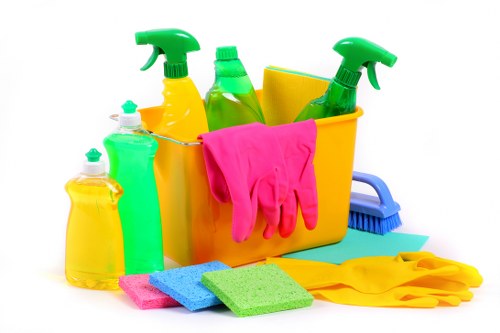
The bathroom is another area where end of tenancy cleaning needs to be extremely thorough. Because this room is exposed to moisture daily, it is common to find limescale, mildew, soap deposits, and water staining around taps, tiles, and shower screens.
A clean bathroom should feel hygienic and fresh. That means removing buildup from toilets, polishing mirrors, sanitising basins, and cleaning behind and around fixtures. Grout lines, corners, and shower tracks should not be overlooked, as these are often the places where dirt collects most easily.
For tenants, a well-cleaned bathroom can make a strong impression during final inspection. For landlords, it helps show that the property has been cared for properly and is ready for the next occupant without delay.
Carpet and Floor Cleaning for a Better Finish
Floors are one of the first things people notice when entering a property, which makes them a key part of end of tenancy cleaning. Whether the home has carpet, laminate, vinyl, or tile flooring, it should be cleaned carefully before the keys are handed back.
Carpets may need vacuuming, stain treatment, or a deeper steam clean if the tenancy agreement requires it. Hard floors should be swept and mopped, with attention given to corners, under furniture, and along edges where dust tends to collect. If there are marks, scuffs, or sticky patches, these should be removed where possible.
A clean floor helps create the impression of a freshly maintained home. It also supports overall hygiene, especially in homes where pets, children, or heavy foot traffic have been present.
Useful floor-cleaning priorities include:
- Removing loose dirt and debris
- Treating visible stains as early as possible
- Cleaning along skirting boards and edges
- Checking under movable furniture
- Allowing floors to dry fully before inspection
Should You Hire Professionals or Do It Yourself?
Many people wonder whether end of tenancy cleaning should be handled independently or left to professionals. The answer often depends on time, budget, property size, and the expected standard of cleanliness.
Doing it yourself can save money, especially if the home is small and already well maintained. However, the process can be physically demanding and time-consuming. If you are moving, packing, and dealing with removal arrangements at the same time, deep cleaning every room may feel overwhelming.
Professional end of tenancy cleaning services are often chosen because they bring experience, equipment, and specialist products. They can work faster, reach better results in difficult areas, and reduce the stress that comes with move-out deadlines.
Signs a Professional Service May Be the Best Option
There are several situations where booking expert end of tenancy cleaning makes practical sense. If the property is large, if there are stubborn stains, or if appliances have not been cleaned regularly, a professional service can save time and effort.
It may also be useful if the landlord or letting agent is particularly strict about cleanliness standards. In such cases, a polished result can reduce the chance of disagreement and help the handover go smoothly. Professional cleaners often know what inspectors look for, which can be a major advantage.
Consider professional help if:
- You are moving out under time pressure
- The property has carpets that need deep cleaning
- There are stubborn kitchen or bathroom stains
- You want to reduce the risk of deposit deductions
- You need the entire property cleaned to a high standard
End of Tenancy Cleaning Checklist Tips
A checklist is one of the best tools for staying organised during end of tenancy cleaning. It helps you work methodically and ensures each area of the property receives the attention it needs. Instead of rushing from room to room, you can tick off tasks as you go.
A useful checklist might include dusting high surfaces first, cleaning top to bottom, then finishing with floors. This prevents dust from falling onto areas you have already cleaned. It also helps to work from the farthest room toward the exit so that you are not walking over freshly cleaned surfaces unnecessarily.
Here is a simple example of a move-out cleaning checklist:
- Remove all rubbish and personal items
- Clean kitchen appliances and cupboards
- Sanitise bathroom fittings and tiles
- Dust shelves, skirting boards, and switches
- Vacuum carpets and mop floors
- Clean windows, frames, and internal glass
- Check for marks, cobwebs, and missed spots
How Timing Affects End of Tenancy Cleaning
Timing matters more than many people realise when planning end of tenancy cleaning. Ideally, the property should be cleaned after all belongings have been removed and before the final inspection or key handover. This allows every surface to be accessed properly without obstacles in the way.
If you clean too early, areas may become dirty again as you continue moving boxes and furniture. If you leave it until the last minute, you may be rushed and more likely to miss important details. Planning the cleaning for the final stage of the move usually delivers the best results.
It is also wise to allow enough drying time for floors, bathrooms, and cleaned appliances. Damp surfaces can appear streaky or unfinished, so a little extra time can make the property look much better during inspection.
Common Mistakes to Avoid
Even with the best intentions, some people make simple mistakes during end of tenancy cleaning. These errors can reduce the overall result and may lead to complaints or deductions later. Knowing what to avoid can help you work smarter.
One common mistake is focusing only on visible spaces and ignoring hidden areas. Behind the toilet, inside the oven, along door frames, and under appliances are all places where dirt can easily be missed. Another problem is using the wrong cleaning product on delicate surfaces, which can cause damage instead of improvement.
Avoid these mistakes:
- Leaving cleaning until the final hour
- Skipping high-touch areas like handles and switches
- Ignoring limescale and grease buildup
- Forgetting to check wardrobes, cupboards, and drawers
- Using too much water on carpets or wood floors
Why End of Tenancy Cleaning Is Good for Landlords Too
Although tenants usually organise the move-out clean, landlords also benefit from high-quality end of tenancy cleaning. A clean property is easier to market, photograph, and show to prospective tenants. It gives the impression of good management and helps create a strong first impression.
When a home is left in excellent condition, maintenance can be identified more easily. For example, if a room has been deep cleaned, it is easier to notice whether a repair, repaint, or replacement is needed. This can save time during turnaround between tenancies.
For landlords managing several properties, keeping a consistent standard of end of tenancy cleaning helps protect long-term rental value and supports tenant satisfaction. Clean, well-presented homes tend to attract more interest and can reduce vacancy time.
Final Thoughts on End of Tenancy Cleaning
End of tenancy cleaning is more than just a final chore before moving out. It is a practical step that helps tenants protect deposits, landlords prepare properties, and everyone involved complete the handover with less stress. A clean property sends the right message and shows that the home has been respected.
By planning carefully, following a checklist, and paying attention to detail, you can achieve a better result and reduce the risk of last-minute problems. Whether you clean the property yourself or book a professional service, the key is to approach the task thoroughly and on time.
If you are preparing to move, now is the right time to take action. Contact us today or book your service now to make your move-out process smoother, easier, and far more manageable.