Office Cleaning in the Modern Workplace: Creating Healthier, More Productive Spaces
Why Office Cleaning Matters More Than Ever

Office cleaning is no longer just about keeping desks tidy and floors looking good. In today’s workplace, it plays a major role in employee well-being, visitor impressions, and overall business performance. A clean office can help reduce germs, improve air quality, support focus, and create a more professional atmosphere that reflects positively on your brand.
Whether you manage a small startup, a busy corporate suite, or a shared workspace, office cleaning affects how people feel the moment they walk through the door. Clean reception areas, sanitized restrooms, polished surfaces, and clutter-free meeting rooms all send a clear message: this business values health, organization, and quality.
As more organizations place emphasis on workplace hygiene, professional office cleaning has become an essential part of facility management. Businesses that invest in regular cleaning routines often experience fewer sick days, improved morale, and a better experience for clients and staff alike.
What Office Cleaning Includes
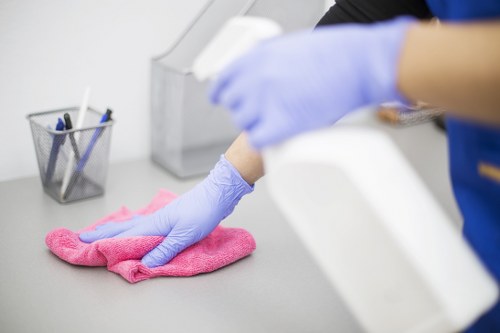
Office cleaning covers a wide range of tasks designed to keep work environments safe, sanitary, and visually appealing. The exact scope depends on the size of the office, the number of employees, the type of business, and the frequency of service required. A reliable office cleaning plan usually includes both daily maintenance and periodic deep cleaning.
Typical office cleaning tasks may include dusting surfaces, vacuuming carpets, mopping hard floors, disinfecting high-touch points, emptying bins, cleaning glass, and restocking washroom supplies. In many workplaces, it also includes kitchen and breakroom cleaning, upholstery care, and cleaning of shared equipment such as printers and copiers.
To keep things organized, many facility managers create a checklist for commercial office cleaning. This helps ensure that essential tasks are completed consistently and that no area is overlooked. A well-structured cleaning routine also makes it easier to identify problem areas before they become costly or unhygienic.
Benefits of Professional Office Cleaning
Hiring a professional team for office cleaning offers more than visual appeal. One of the biggest benefits is a healthier environment. Regular disinfecting of desks, door handles, shared phones, and other high-touch surfaces can help limit the spread of bacteria and viruses. This is especially important in busy offices where many people share the same spaces.
Productivity is another major advantage. Employees tend to work more efficiently in clean, organized surroundings. When clutter is reduced and surfaces are maintained properly, people can focus on their work instead of distractions. This can lead to better concentration, improved workflow, and a more positive workplace culture.
Professional office cleaning also helps protect assets. Carpets, flooring, furniture, and fixtures last longer when they are properly cared for. Dust buildup, spills, and neglect can cause wear over time, leading to avoidable repair or replacement costs. In this sense, regular cleaning is not just a service—it is a smart business investment.
Additional advantages include:
- A stronger first impression for visitors and clients
- Better indoor air quality through dust and allergen removal
- Reduced workplace odors and bathroom issues
- More consistent hygiene standards across shared spaces
- Greater employee satisfaction and morale
Key Areas That Need Regular Attention
Every office has certain high-traffic zones that need consistent care. Reception areas are especially important because they are the first point of contact for visitors. A spotless lobby, clean front desk, and dust-free seating area help create trust before a conversation even begins. This is where office cleaning directly supports your professional image.
Workstations and desks also need routine maintenance. Employees often eat, drink, and handle documents in these areas, which means crumbs, fingerprints, and dust can build up quickly. Keyboard cleaning, monitor wiping, and sanitizing desk phones are all part of maintaining a healthier workstation.
Restrooms and breakrooms deserve special attention because hygiene standards matter most in shared food and wash areas. These spaces should be cleaned thoroughly and frequently to prevent unpleasant smells, bacteria buildup, and cross-contamination. Good office cleaning practices keep these areas fresh, safe, and comfortable for daily use.
Other critical zones include:
- Conference rooms and meeting spaces
- Hallways, stairwells, and elevators
- Copy and print stations
- Shared kitchen appliances
- Entryways and glass doors
Daily, Weekly, and Monthly Office Cleaning Tasks
An effective office cleaning schedule usually includes tasks performed at different intervals. Daily cleaning focuses on hygiene and visible tidiness, while weekly and monthly services target deeper maintenance. This layered approach helps keep the workplace consistently fresh without overwhelming staff or cleaning crews.
Daily office cleaning often includes trash removal, restroom sanitation, surface disinfection, vacuuming or sweeping, and kitchen cleanup. These are the tasks that prevent messes from accumulating and keep the office presentable throughout the week.
Weekly office cleaning may involve glass polishing, upholstery vacuuming, mop-intensive floor care, deep dusting, and more detailed restroom cleaning. Monthly or scheduled deep cleaning can include carpet extraction, baseboard cleaning, air vent dusting, and high-level surface maintenance. A balanced plan ensures your office cleaning remains effective over time.
How Office Cleaning Supports Workplace Health
Reducing germs and cross-contamination
Clean offices are healthier offices. Germs spread quickly in shared environments, especially where multiple employees touch the same surfaces. Regular disinfection as part of office cleaning services helps reduce the transfer of contaminants from person to person. This is why high-touch areas such as elevator buttons, door handles, light switches, and shared desktops need special care.
Air quality also matters. Dust, debris, and allergens can collect in carpets, vents, and upholstery, affecting comfort and breathing quality. Proper vacuuming, dust removal, and HVAC-related cleaning support cleaner indoor air, which can be especially helpful for people with allergies or sensitivities.
Another important factor is mental health. Clutter and dirt can create a sense of stress or disorganization, even if people do not consciously notice it. A clean, orderly workspace can feel calmer, more welcoming, and easier to manage. In this way, office cleaning contributes not only to physical health but to overall workplace well-being.
Practical hygiene habits that support cleaning results
- Encourage employees to clear personal items from shared areas
- Use disinfectant wipes for desks and equipment
- Provide hand sanitizing stations at entry points
- Keep food storage separate from work materials
- Maintain regular restroom and kitchen checks
Office Cleaning for Different Business Types
Not every workplace needs the same cleaning plan. A law office may prioritize reception polish and meeting room presentation, while a tech company may require frequent desk sanitizing and cable-area dust removal. A medical-adjacent office may need stricter sanitation protocols than a standard administrative space. Understanding business-specific needs is a key part of effective office cleaning.
Shared offices and coworking spaces often need more frequent cleaning because many people use the same desks, kitchen areas, and restrooms throughout the day. On the other hand, a smaller private office may need fewer visits but still benefit from consistent weekly maintenance. The right schedule depends on usage levels, employee count, and the types of surfaces present.
Retail offices, finance firms, creative agencies, and professional service providers each have distinct expectations. Clean meeting rooms and polished floors may be essential for client-facing sectors, while production offices might prioritize dust control and practical sanitation. Tailoring office cleaning to the business type improves both efficiency and results.
Examples of customized cleaning priorities
- Client-facing offices: reception, glass, meeting rooms, and washrooms
- Open-plan offices: desks, shared equipment, and communal zones
- Coworking spaces: kitchens, lounges, and high-touch areas
- Executive suites: premium finishes, floors, and conference rooms
- Back-office environments: dust control, floors, and waste management
Choosing the Right Office Cleaning Schedule
The best office cleaning schedule is one that matches your building’s traffic levels and business priorities. An office with many daily visitors will likely need more frequent service than one with a small internal team. A busy workplace with several shared rooms may require evening cleaning after staff leave, while others may benefit from morning touch-up service.
Many companies find success with a combination of daily maintenance and periodic deep cleaning. This approach keeps the office looking fresh while also addressing less visible issues such as dust accumulation, carpet wear, and neglected corners. It also gives business owners more flexibility to adjust services during busy seasons or special events.
To build a practical schedule, assess which spaces get the most use, which areas are most visible to visitors, and which tasks need specialist care. If the goal is to maintain a consistently professional appearance, a structured office cleaning plan should be treated as a standard part of operations rather than an occasional chore.
Factors to consider when planning office cleaning
- Office size and layout
- Number of staff and visitors
- Shared workstations and communal areas
- Type of flooring and furnishings
- Budget and service frequency
Eco-Friendly Office Cleaning Practices
Sustainable cleaning has become increasingly popular in modern workplaces. Many businesses now prefer eco-friendly cleaning products that reduce harsh chemical exposure while still delivering strong results. This approach can support a healthier indoor environment and align with broader corporate sustainability goals.
Green office cleaning often uses biodegradable cleaners, microfiber cloths, water-efficient methods, and low-toxicity disinfectants. These solutions can be especially attractive in workplaces where employees are sensitive to strong odors or chemical residues. When chosen carefully, environmentally responsible products can clean effectively without compromising hygiene.
Eco-conscious office cleaning also includes smarter waste management. Recycling bins, paper reduction, responsible disposal routines, and reusable cleaning materials all contribute to a cleaner and more sustainable office environment. For businesses that want to appeal to modern clients and employees, sustainability can be a meaningful differentiator.
Benefits of eco-friendly cleaning
- Lower chemical exposure indoors
- Reduced environmental impact
- Better alignment with sustainability goals
- Improved employee comfort
- Support for a modern, responsible brand image
What to Look for in an Office Cleaning Service
When selecting a provider for office cleaning, experience and reliability matter. A strong service provider should understand the difference between routine maintenance and detailed sanitation. They should also be able to adapt to your office layout, schedule, and industry requirements without disrupting daily operations.
It is important to choose a team that uses clear procedures and quality control measures. Professional cleaners should follow checklists, communicate clearly about completed tasks, and maintain consistency across visits. This is especially useful for offices that need dependable results every day.
Flexibility is another important quality. Your office may need extra attention after events, during seasonal flu periods, or following renovations. A dependable office cleaning partner should be able to respond to changing demands and help you maintain high standards year-round.
Questions to ask before hiring
- What areas are included in the standard cleaning routine?
- How often are high-touch surfaces disinfected?
- Are eco-friendly products available?
- Can the service be customized for our office layout?
- How is quality monitored over time?
Office Cleaning Tips for Maintaining Results Between Visits
Even with professional office cleaning, employees can help keep the workplace in good condition between scheduled visits. Simple habits such as clearing desks, wiping up spills quickly, and placing waste in the correct bins make a real difference. Small efforts throughout the day can prevent messes from building up and help the cleaning team work more efficiently.
Shared responsibility is key. If everyone in the office understands basic tidiness expectations, the environment stays cleaner for longer. This includes cleaning up after lunch, keeping break areas organized, and using storage properly. A culture of cleanliness supports the overall value of ongoing office cleaning.
Technology can also help. Digital reminders, office signage, and designated cleanup stations can reinforce positive habits. When staff know what is expected, it becomes easier to maintain a neat, welcoming workplace that reflects well on the business.
Simple habits that make a difference
- Clear personal items at the end of the day
- Wipe shared surfaces after use
- Dispose of food waste promptly
- Report spills or maintenance issues quickly
- Keep cables, papers, and supplies organized
Why Office Cleaning Is a Long-Term Business Asset
Some companies think of office cleaning as a basic maintenance cost, but it is more accurate to view it as a long-term asset. Clean offices support employee retention, visitor confidence, and operational efficiency. They also reduce the risk of avoidable problems like pest issues, mold concerns, damaged flooring, and recurring hygiene complaints.
Over time, regular office cleaning helps preserve the condition of your workspace and reduce the need for major corrective action. That means fewer emergency cleanups, less disruption, and more predictable facility costs. It also makes day-to-day operations smoother because employees can work in an environment that feels organized and cared for.
For businesses focused on reputation and growth, keeping the workplace in excellent condition is a practical strategy. Office cleaning supports both the appearance and functionality of the space, helping teams perform at their best while leaving the right impression on clients and partners.
Final thought
If your workplace needs a cleaner, healthier, and more polished environment, now is the perfect time to take action. Contact us today to discuss your office cleaning needs, or book your service now to keep your workspace looking its best all year long.