Communal Area Cleaning: Creating Healthier, Safer, and More Welcoming Shared Spaces
What Communal Area Cleaning Means in Modern Buildings
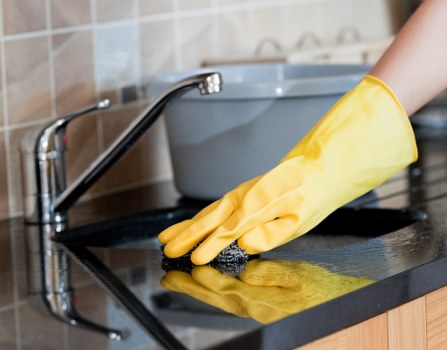
Communal area cleaning is the process of maintaining shared spaces that are used by multiple residents, tenants, visitors, or staff. These areas often include lobbies, hallways, staircases, elevators, entryways, mail rooms, shared kitchens, laundry rooms, reception zones, and other high-traffic parts of a building.
Because these spaces are touched and used by many people every day, communal area cleaning plays a major role in hygiene, safety, appearance, and overall comfort. A well-kept communal space makes a strong first impression, supports a healthier environment, and helps everyone who uses the building feel more at ease.
Whether the property is a residential block, office complex, apartment building, school, or mixed-use facility, the quality of shared space maintenance can influence everything from occupant satisfaction to long-term property value. That is why professional communal area cleaning is not just a cosmetic service; it is an essential part of building management.
Why Communal Area Cleaning Matters
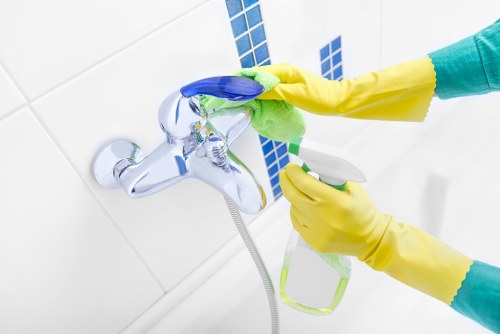
Shared spaces naturally collect dust, litter, fingerprints, smudges, spills, and germs faster than private rooms. Without regular attention, these areas can quickly look neglected and become unpleasant or even unsafe. Effective communal area cleaning services help reduce these problems before they affect daily life.
There are several reasons why this type of cleaning is so important. First, it helps reduce the spread of bacteria and viruses on frequently touched surfaces such as handrails, door handles, elevator buttons, and light switches. Second, it improves air quality by removing dust and debris from floors, corners, vents, and fixtures.
Third, it supports the reputation of the property. Clean communal spaces signal care, responsibility, and professionalism. For residents, tenants, employees, or guests, a tidy environment can make a real difference in how they perceive the building and the people managing it.
Key benefits at a glance
- Improved hygiene in high-touch and high-traffic areas
- Better safety through reduced slips, trips, and obstructions
- Enhanced appearance for visitors and occupants
- Longer-lasting surfaces due to proper maintenance
- Greater occupant satisfaction and comfort
Common Areas That Need Regular Attention
Communal area cleaning covers a wide range of spaces, and each one has its own cleaning needs. High-use zones require more frequent care, while less busy areas still need scheduled upkeep to stay presentable and hygienic. A thoughtful cleaning plan ensures no important area is overlooked.
Hallways and corridors, for example, gather dust, marks on walls, and dirt tracked in from outside. Staircases need sweeping, vacuuming, and sanitising of handrails. Lobbies and reception areas require daily tidying because they are often the first spaces people notice when entering a building.
Other common areas such as communal kitchens, bathrooms, laundry rooms, bin stores, and lift interiors demand specialist attention. These spaces can develop odours, spills, and contamination quickly, so regular communal area cleaning is essential for maintaining a pleasant environment.
Examples of shared spaces often cleaned
- Entrances and foyers
- Stairwells and landings
- Hallways and corridors
- Elevators and lift lobbies
- Mailrooms and parcel areas
- Shared washrooms
- Communal kitchens and break rooms
- External access points and bin areas
What Professional Communal Area Cleaning Usually Includes
A reliable communal area cleaning service typically includes a tailored combination of tasks based on the size, use, and condition of the property. No two buildings are exactly alike, so a flexible cleaning schedule is often the best approach.
Standard tasks often include sweeping, vacuuming, mopping, dusting, wiping down surfaces, removing litter, and sanitising touchpoints. In some cases, cleaning teams may also wash windows, polish fixtures, clean skirting boards, empty bins, or manage light spills and stains.
More detailed services may involve deep cleaning of carpets, steam cleaning of upholstery, machine scrubbing floors, deodorising problem areas, and disinfecting shared bathrooms or kitchens. When done properly, communal area cleaning should leave the property visibly cleaner and more hygienic without disrupting residents or staff.
Typical cleaning tasks include
- Dusting ledges, railings, and fixtures
- Cleaning doors, handles, switches, and buttons
- Vacuuming carpets and rugs
- Mopping hard floors
- Removing cobwebs and debris
- Wiping skirting boards and walls
- Emptying bins and replacing liners
- Sanitising shared-touch surfaces
The Role of Hygiene in Communal Spaces

Hygiene is one of the biggest reasons people invest in communal area cleaning. Shared spaces can become hotspots for contamination because many hands touch the same surfaces throughout the day. Even if a building looks neat at first glance, unseen germs can still accumulate rapidly.
That is why sanitisation matters just as much as visible cleanliness. A floor may appear spotless, but if handles, elevator controls, and shared tables are not cleaned properly, the space may still pose hygiene concerns. Professional cleaners understand the difference between superficial tidying and effective sanitary maintenance.
In the wake of increased health awareness, many property managers now expect more than occasional cleaning. They want reliable routines, disinfecting procedures, and attention to frequent touchpoints. This approach helps protect residents, workers, and visitors while supporting a cleaner overall environment.
High-touch points that should never be ignored
- Door handles and push plates
- Lift buttons and control panels
- Handrails and bannisters
- Intercoms and entry systems
- Shared tables and counters
- Light switches
- Bin lids and recycling points
How Communal Area Cleaning Supports Safety
Safety is another important reason to maintain shared spaces properly. Dirt, spills, clutter, and blocked walkways can increase the risk of accidents. In stairwells and corridors, even minor neglect can lead to slips, trips, or falls. This is especially true in buildings with elderly residents, children, or heavy foot traffic.
Good communal area cleaning services help keep floors dry, staircases clear, and routes unobstructed. They also improve visibility by ensuring lights, windows, and glass panels are kept clean. In emergency situations, a tidy and well-maintained environment can make movement faster and safer.
Cleaning teams can also identify issues while working, such as broken lighting, leaking pipes, damaged tiles, or signs of pest activity. These observations can be reported early so property managers can deal with problems before they become more serious. In that sense, communal area cleaning is part of a broader building care strategy.
Safety advantages of clean shared areas
- Fewer slip and trip hazards
- Clearer escape routes and access points
- Better visibility in corridors and stairways
- Reduced clutter in entrances and communal rooms
- Earlier detection of maintenance issues
Cleaning Frequency: How Often Should Shared Areas Be Cleaned?
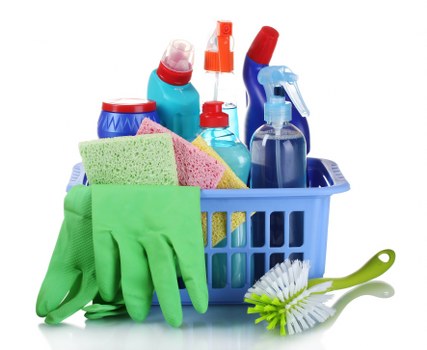
The right cleaning frequency depends on how many people use the space and what kind of traffic the building receives. A busy apartment block or office reception will usually need more frequent cleaning than a small residential property. In general, communal area cleaning should be scheduled based on usage, season, and hygiene expectations.
Daily cleaning may be needed for entrances, lifts, washrooms, and kitchen areas. Several times per week may be enough for corridors, stairs, and lower-traffic spaces. Monthly or quarterly deep cleans can help tackle buildup that routine cleaning cannot remove, such as deep dirt in carpets, marks on walls, or grime in hard-to-reach areas.
A good plan balances consistency and efficiency. If cleaning is too infrequent, dirt and odours accumulate. If it is too sporadic, the building may never feel fully maintained. The best approach is a customised schedule that keeps the property clean without wasting resources.
Factors that affect frequency
- Number of occupants or visitors
- Building size and layout
- Seasonal dirt, rain, or mud
- Presence of pets or children
- Type of flooring and surfaces
- Shared amenities and facilities
Choosing the Right Communal Area Cleaning Service
Selecting the right provider for communal area cleaning can make a major difference in the results you see. A dependable company should understand the demands of shared environments and be able to adjust its services to suit your property.
Look for a team that offers trained staff, clear procedures, quality equipment, and consistent communication. The best cleaning providers also use appropriate products for different surfaces and follow safe, responsible cleaning methods. A trusted service should be able to work efficiently while respecting residents, tenants, or employees.
It is also worth asking whether the company can provide flexible scheduling. Many buildings benefit from early morning, evening, or weekend cleaning to avoid disruptions. Professional communal area cleaning should fit naturally into the routine of the property rather than interrupting it.
What to look for in a provider
- Experience with residential or commercial shared spaces
- Reliable and well-trained staff
- Flexible cleaning schedules
- Use of safe and effective cleaning products
- Transparent service plans and task lists
- Strong quality control processes
Why Routine Cleaning Protects Property Value
Well-maintained communal areas do more than look good; they help protect the value of the building over time. Dirt, moisture, and neglect can wear down flooring, fixtures, and surfaces much faster than regular cleaning. By keeping shared areas in good condition, property owners can extend the life of materials and reduce repair costs.
For example, vacuuming carpets and mats regularly helps prevent fibres from becoming permanently damaged by grit and debris. Cleaning hard floors correctly helps reduce scratches and dullness. Dusting and wiping surfaces also protects paintwork, metal fixtures, and glass from staining or corrosion.
This is one of the less obvious benefits of communal area cleaning services: they support maintenance and preservation. Clean buildings often need less reactive repair work because problems are caught early and surfaces remain in better condition for longer.
Ways cleaning protects a property
- Reduces surface wear and tear
- Prevents dirt from becoming embedded
- Maintains a professional appearance
- Supports early issue detection
- Helps control maintenance costs
Making Communal Cleaning More Effective
To get the best results from communal area cleaning, it helps to combine professional cleaning with good building habits. Cleaning teams can do a lot, but the everyday behaviour of occupants also affects the condition of shared spaces.
Simple actions such as disposing of rubbish properly, wiping spills quickly, storing items in designated areas, and avoiding blocked walkways all make cleaning easier and more effective. Building managers can also improve results by ensuring there are enough bins, mats, and signage in appropriate areas.
Communication matters too. When residents or staff know what cleaning schedule is in place and what standards are expected, they are more likely to cooperate. That creates a shared responsibility and helps the building remain cleaner between visits.
Practical tips for better results
- Use entrance mats to reduce dirt indoors
- Place bins in convenient locations
- Encourage prompt spill reporting
- Keep storage spaces organised
- Schedule deep cleans periodically
- Review cleaning priorities seasonally
Seasonal Challenges in Communal Area Cleaning
Different seasons create different cleaning demands. In wetter months, mud, leaves, rainwater, and salt can be tracked into entranceways and corridors. In summer, dust, pollen, and increased foot traffic may become more noticeable. Effective communal area cleaning plans adapt to these changing conditions.
Winter often requires extra attention at entrances, mats, stairwells, and external paths. Spring may be a good time for deeper cleaning, especially where dust and allergens have built up. Summer can call for increased ventilation and odour control in shared kitchens, bins, and laundry rooms. Autumn brings leaves and damp debris that can make floors slippery.
By adjusting services through the year, property managers can keep shared spaces looking and feeling fresh. This seasonal approach is especially useful for larger buildings where weather conditions and foot traffic can quickly affect cleanliness.
Seasonal priorities
- Winter: moisture control and slip prevention
- Spring: deep dust removal and refresh cleaning
- Summer: odour control and ventilation support
- Autumn: leaf removal and entrance maintenance
Communal Area Cleaning for Different Property Types
Not all buildings need the same cleaning plan. A residential block may prioritise stairs, lifts, and entrances, while an office building may focus on receptions, meeting spaces, toilets, and break rooms. Mixed-use properties often need a blend of both residential and commercial cleaning priorities.
In apartment buildings, the goal is often to maintain a welcoming, comfortable atmosphere for residents. In office settings, the focus may be on professionalism, hygiene, and uninterrupted daily operations. Schools, student housing, care facilities, and public buildings each have their own expectations as well.
That is why communal area cleaning services should be tailored to the specific property type. A flexible approach ensures the cleaning plan matches real-world use, traffic levels, and safety needs.
Examples by setting
- Residential buildings: halls, stairs, lifts, and bin areas
- Offices: lobbies, kitchens, toilets, and meeting spaces
- Schools: corridors, shared washrooms, and dining areas
- Care facilities: hygiene-critical shared zones
- Mixed-use sites: varied schedules and surface care
Final Thoughts on Communal Area Cleaning
Communal area cleaning is about much more than appearance. It supports hygiene, reduces safety risks, protects surfaces, and helps people feel comfortable in shared environments. Whether the building is residential or commercial, routine cleaning makes a measurable difference in how the space looks, feels, and functions.
When shared spaces are cared for consistently, they become more inviting and easier to maintain. People notice clean floors, fresh air, tidy entrances, and well-kept surfaces. Those details shape the daily experience of everyone who uses the property.
If you want a building to stay cleaner, safer, and more presentable, investing in reliable communal area cleaning services is a practical and worthwhile step. Contact us today to discuss the right cleaning schedule for your property, or book your service now to keep your communal areas in excellent condition.