Insurance and Safety
 Our commitment to insurance and safety is built around practical protection, clear procedures, and a well-prepared team. Whether we are managing routine site activity or responding to an unexpected issue, we take every step to reduce risk and maintain a secure environment. A strong safety and insurance approach is not only about compliance; it is about creating confidence, consistency, and care in everything we do.
One of the most important parts of our protection strategy is public liability insurance. This coverage helps safeguard against claims involving accidental injury or property damage that may occur during our work. By maintaining appropriate public liability insurance, we reinforce our responsibility to operate professionally and responsibly, while protecting both clients and members of the public from unforeseen incidents.
Our insurance and safety culture also depends on a thorough risk assessment process. Before any task begins, we identify possible hazards, evaluate who may be affected, and determine the best control measures.  This process is reviewed regularly so that it remains relevant to changing conditions, equipment, and working methods. We do not treat risk assessments as a one-time document; instead, they form an active part of how we plan and deliver work.
Staff Training and Competence
Training is central to our insurance, safety, and compliance standards. Every member of staff is expected to understand the risks connected to their role and to follow approved procedures at all times. Training covers safe working practices, emergency response, hazard awareness, and the correct use of equipment. This focus on competence helps reduce preventable incidents and supports a safer experience for everyone involved.
We also ensure that training is refreshed whenever there are changes to legislation, equipment, or working environments. New team members receive induction support, while more experienced staff take part in ongoing development to keep their knowledge current. A well-trained team is one of the strongest defences against avoidable accidents, and it also supports the effective use of our insurance arrangements by lowering the likelihood of claims.
 In addition to formal instruction, we encourage a culture of accountability and communication. Staff are expected to report hazards, near misses, and unsafe conditions promptly. This proactive approach allows us to resolve issues early and maintain high standards of safety management. It also ensures that the lessons learned from one task can be applied to future work, strengthening our overall insurance and safety performance.
PPE and Protective Measures
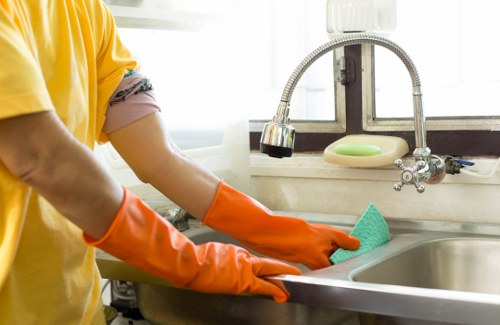
Personal protective equipment, or PPE, is an essential part of our day-to-day safety measures. Depending on the task, this may include high-visibility clothing, safety footwear, gloves, eye protection, hearing protection, or respiratory equipment. PPE is selected according to the findings of the relevant risk assessment, ensuring that the protection provided is suitable for the specific hazards present.
Although PPE is important, it is always used alongside other control measures rather than as the only line of defence. We prefer to reduce risk at the source wherever possible, through planning, isolation of hazards, safe systems of work, and proper supervision. This layered approach reflects our wider commitment to insurance and safety, helping us minimise the likelihood and impact of incidents before they occur.
Maintaining PPE is equally important. Equipment must be checked before use, stored correctly, and replaced when damaged or worn.  We make sure staff understand how to use their PPE properly so that it offers the intended level of protection. By combining suitable equipment with disciplined practice, we support a safer working environment and a more reliable insurance framework.
Our Risk Assessment Process
Our risk assessment process is designed to be clear, practical, and adaptable. It begins with identifying the activity or environment to be assessed, followed by a structured review of potential hazards. We then consider the likelihood and severity of harm, decide on suitable control measures, and assign responsibility for implementing those measures. This method ensures that safety decisions are based on evidence rather than assumption.
Once controls are in place, we monitor their effectiveness and update the assessment whenever conditions change. This could include new equipment, different weather conditions, altered work locations, or revised procedures.  By keeping assessments current, we maintain a strong link between planning and action, which supports both day-to-day safety and long-term insurance resilience.
Why This Matters
Effective insurance and safety management protects people, property, and operations. Public liability insurance offers financial protection, staff training builds competence, PPE reduces exposure to harm, and the risk assessment process ensures that decisions are made carefully and consistently. Together, these measures create a dependable framework that reflects our professional standards and our commitment to responsible working practices.
Safety is not an isolated task; it is embedded in how we plan, train, equip, and review our work. By taking a thoughtful and structured approach, we help ensure that every activity is carried out with care, attention, and respect for the wellbeing of everyone involved.